Healthcare is undergoing a significant transformation, driven by advances in digital technology, artificial intelligence (AI), and connected medical devices. Traditional healthcare models often rely on periodic doctor visits and patient self-reporting, which can sometimes delay the detection of health issues. Today, Real-Time Health Monitoring combined with Remote Patient Monitoring (RPM) is changing the way healthcare providers track, manage, and improve patient health.
By continuously collecting and analyzing patient data, AI-powered RPM solutions enable proactive care, faster interventions, and better health outcomes. For patients managing chronic conditions, recovering from surgery, or requiring ongoing health supervision, these technologies offer a safer, more connected healthcare experience.
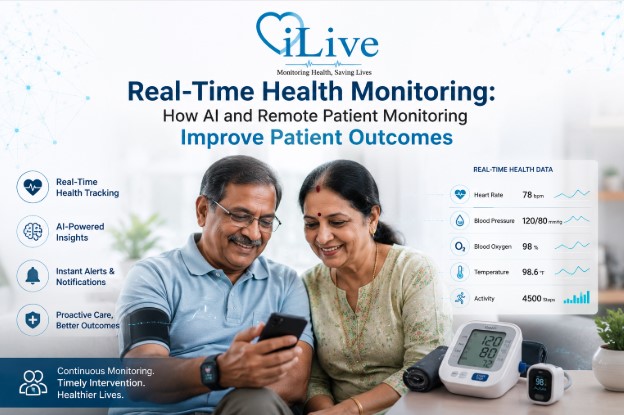
Real-time health monitoring involves the continuous collection and transmission of patient health data through connected devices such as wearable wristbands, chest patches, blood pressure monitors, pulse oximeters, and other smart medical devices.
These devices track critical health parameters, including:
The collected data is securely transmitted to healthcare providers through a centralized monitoring platform, allowing medical professionals to assess patient health remotely and respond quickly to any abnormalities.
Remote Patient Monitoring extends healthcare beyond hospital walls. Instead of waiting for scheduled appointments, healthcare providers can access patient health data in real time and make informed decisions based on current health conditions.
RPM is particularly beneficial for:
This continuous visibility enables healthcare teams to detect potential issues before they become serious medical emergencies.
Artificial Intelligence is transforming RPM from a simple data collection system into an intelligent healthcare solution capable of identifying patterns, predicting risks, and supporting clinical decision-making.
AI algorithms analyze vast amounts of patient data and identify subtle changes that may indicate health deterioration. For example, an unusual increase in heart rate combined with reduced oxygen levels may signal an emerging health concern.
By recognizing these warning signs early, healthcare providers can intervene before a patient’s condition worsens.
One of the biggest challenges in healthcare monitoring is managing large volumes of patient data. AI helps by filtering data and generating alerts only when medically significant events occur.
This reduces alert fatigue and ensures healthcare providers focus on patients who require immediate attention.
AI-powered systems can analyze historical and real-time patient data to predict potential health complications.
Examples include:
Predictive insights enable proactive treatment strategies that improve patient outcomes and reduce healthcare costs.
Every patient has unique healthcare needs. AI helps create personalized care plans based on individual health trends, medical history, and lifestyle factors.
Healthcare providers can use these insights to recommend medication adjustments, lifestyle modifications, or additional medical evaluations tailored to each patient.
Continuous monitoring allows healthcare teams to identify problems earlier and provide timely interventions. Faster responses often result in better treatment outcomes and improved quality of life.
Patients recovering from surgery or serious illnesses can be monitored remotely after discharge. Healthcare providers can detect complications early, reducing the likelihood of unnecessary hospital readmissions.
When patients have access to their health information through connected platforms, they become more involved in managing their health. Increased engagement often leads to better treatment adherence and healthier lifestyle choices.
Patients no longer need frequent hospital visits for routine monitoring. Remote monitoring enables healthcare professionals to provide care from a distance, improving accessibility for individuals living in remote areas or those with mobility challenges.
AI helps healthcare organizations prioritize patient care based on clinical urgency. This allows medical staff to focus resources where they are needed most, improving operational efficiency.
The integration of AI, wearable technology, and Remote Patient Monitoring is paving the way for a more proactive healthcare ecosystem. As healthcare systems continue to adopt connected care solutions, real-time monitoring will become an essential component of preventive and personalized healthcare.
Innovations such as advanced analytics, machine learning, and intelligent health monitoring devices will further enhance the ability of healthcare providers to predict, prevent, and manage medical conditions more effectively.
Real-Time Health Monitoring powered by AI and Remote Patient Monitoring is revolutionizing healthcare delivery. By providing continuous health visibility, intelligent insights, and proactive intervention capabilities, these technologies help healthcare providers deliver better care while improving patient outcomes.
For healthcare organizations, caregivers, and patients alike, AI-enabled RPM solutions offer a smarter, more efficient approach to health management. As connected healthcare continues to evolve, real-time monitoring will play a critical role in creating healthier populations and improving the overall quality of care.