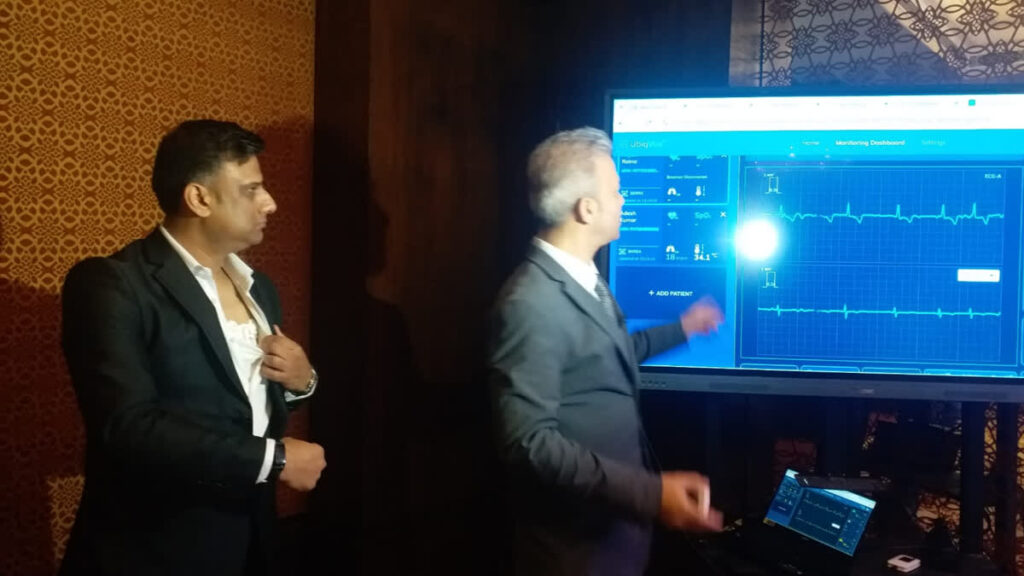
New Delhi: Artificial intelligence (AI) has far-reaching effects, ranging from manufacturing plants and software services to agricultural farms. The emerging technology is also redefining modern healthcare, shifting the focus from treating diseases to predicting and preventing them. Doctor-led health-tech 360-degree remote care platform, iLive Connect, has introduced an AI-powered medical device that can provide real-time medical supervision even outside the hospital. It also offers options for doctor consultations and sending ambulance alerts in critical situations
Talking to ETV Bharat, Dr Viveka Kumar, cardiovascular surgeon and iLive Connect co-founder, called the device the world’s first doctor-led AI healthcare ecosystem of its kind. Explaining its functionality, Dr Kumar noted that the device integrates a compact wireless biosensor patch with a wearable wristband. This system continuously monitors key physiological parameters, including two-lead ECG, heart rate, respiratory rate, oxygen saturation (SpO₂), body temperature, blood pressure trends, physical activity, and more.
The collected data is securely transmitted to a cloud-based platform and relayed to a dedicated medical command centre for real-time analysis and response. The device incorporates AI-powered predictive analytics, which enables it to identify early risk patterns before clinical symptoms become apparent. Once the AI flags the data, it is double-verified by doctors at the iLive command centre, which is staffed 24/7. If the doctors observe any problems with the patient’s vitals, an alert is sent to the patient or their relatives, letting them know that they are required to visit the hospital.
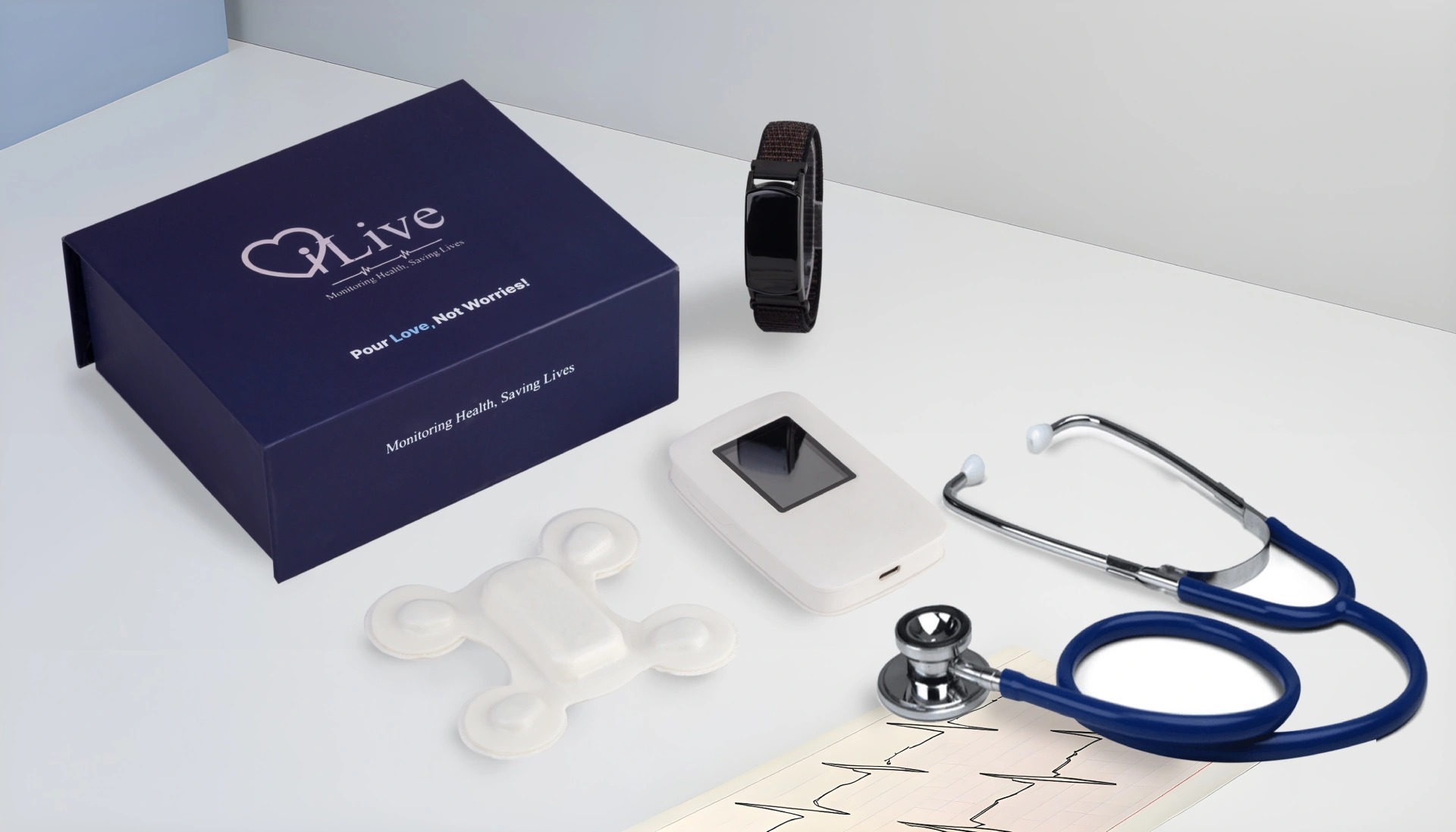
In picture: iLive Connect’s wearable health monitoring device (iLive Connect)
Talking to ETV Bharat, heart specialist and iLiv Connect co-founder Dr Rahul Chandola explained that the device monitors seven health parameters, which include blood sugar levels, high or low blood pressure, pulse rate, and heart rate. This significantly reduces complications from physical health problems, helps prevent medical emergencies, and reduces hospitalisations.
According to Dr Chandola, this system was developed to address one of the biggest gaps in healthcare. The lack of continuous medical supervision once a patient leaves the hospital is a major concern, as most serious medical events don’t occur within the hospital but during the period when patients are at home without medical monitoring.
Taking over two years to develop, the device combines continuous biosensor monitoring with predictive analytics and proactive doctor supervision. This enables the detection of physiological deterioration long before symptoms appear and allows for timely medical intervention, preventing the progression of serious illness, Dr Chandola said, adding that the use of the device can reduce the incidence of events requiring immediate treatment, such as heart attacks and strokes.
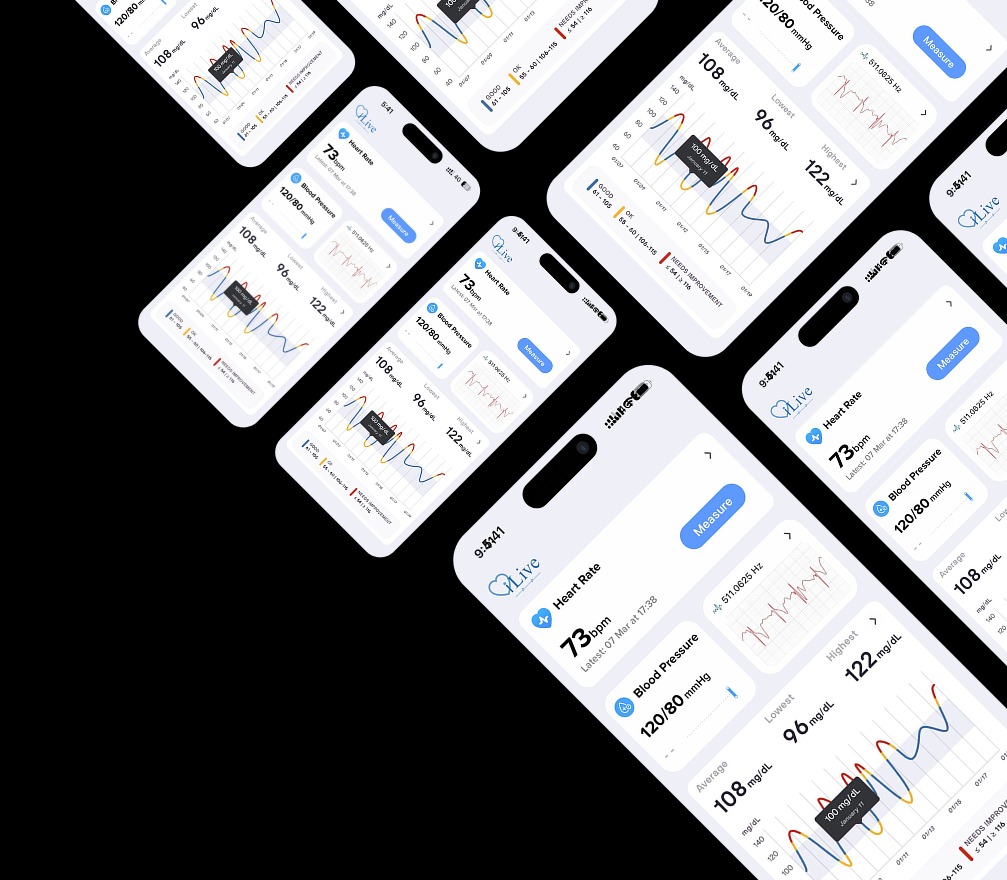
The app from iLive Connect that tracks the vitals signs (iLive Connect)
He further said that in a 10-week observational study of data from over 410 patients, there was a 76 per cent reduction in readmissions. This was achieved through early detection of risks associated with cardiovascular conditions, blood pressure instability, metabolic disorders, and post‑discharge complications. He emphasised that the technology has been especially valuable for senior citizens living alone, patients with chronic illnesses, and those recently discharged from hospitals, for whom the transition from hospital care to home represents a particularly critical period.
Dr Viveka Kumar explained that combining AI with continuous clinical monitoring has resulted in faster response times and timely medical assistance in several potentially serious situations. He explained that while traditional wearable devices only display health data to users, this device is part of a continuous care ecosystem monitored by a doctor, where technology assists in clinical decision-making rather than replacing it.
He further stated that the platform provides access to specialist monitoring regardless of location, allowing patients in remote areas of the country to receive advanced medical monitoring without frequent hospital visits. Dr Kumar believes that the shift from episodic healthcare to continuous monitoring through AI brings doctors closer to patients and enhances care in an era where lifestyle diseases are on the rise.
