Healthcare is undergoing a significant transformation, driven by digital innovation and the growing need for continuous, personalised care. Among the most impactful advancements are wearable health devices, which have become an integral part of modern Remote Patient Monitoring programs. By enabling real-time tracking of vital health parameters, these devices are helping healthcare providers move from reactive treatment to proactive care management.
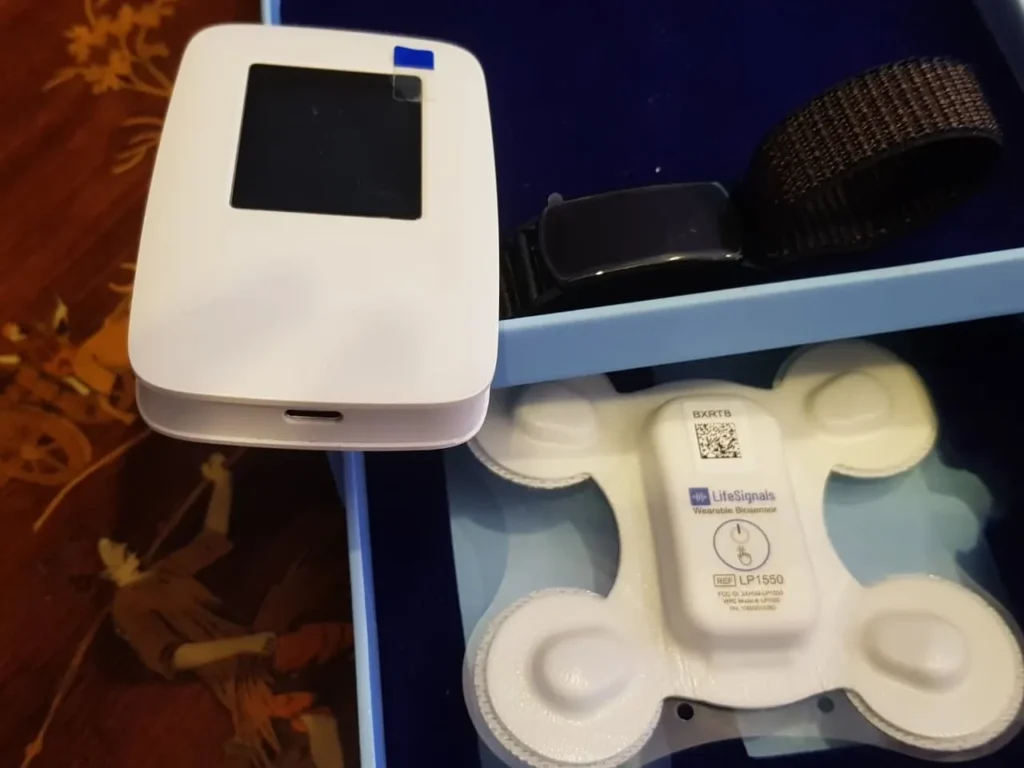
Wearable devices such as smartwatches, fitness bands, ECG monitors, pulse oximeters, and blood pressure trackers are no longer limited to fitness enthusiasts. Today, they play a critical role in managing chronic conditions, monitoring recovery, and supporting preventive healthcare.
These devices continuously collect health data, including heart rate, blood oxygen levels, sleep patterns, activity levels, and other vital indicators. When integrated with digital health platforms, the information can be securely shared with healthcare professionals, allowing timely interventions whenever abnormalities are detected.
One of the biggest advantages of wearable health devices is their ability to extend clinical oversight beyond traditional healthcare settings. Patients can remain in the comfort of their homes while still being monitored by healthcare teams.
This is particularly valuable for individuals recovering from major medical procedures. For example, home monitoring after heart surgery enables doctors to track recovery progress, identify warning signs early, and reduce the risk of avoidable hospital readmissions. Continuous monitoring also provides patients and families with greater confidence during the recovery journey.
As populations age, the need for effective elderly care solutions continues to grow. A wearable health monitor for elderly individuals can help track vital signs, activity levels, and health trends while enabling timely alerts in case of unusual readings.
Such monitoring promotes safer independent living while ensuring that caregivers and healthcare professionals remain informed about the individual’s health status. Early detection of changes can lead to faster medical attention and improved health outcomes.
For many families living abroad, staying informed about the health of ageing parents can be challenging. A wearable health device for parents India NRI families can provide peace of mind by facilitating continuous health tracking and remote access to health information. This allows loved ones to remain connected to their parents’ wellbeing, regardless of geographical distance.
The increasing acceptance of wearable healthcare technology India reflects a broader shift toward preventive and data-driven healthcare. As healthcare providers, patients, and caregivers embrace digital solutions, wearable devices are becoming essential tools for continuous monitoring and personalised care delivery.
At iLive Connect, wearable health devices are integrated into a comprehensive remote care ecosystem designed to support patients, families, and healthcare providers. Through advanced monitoring solutions, real-time health tracking, clinical oversight, and digital care coordination, iLive Connect helps ensure that health concerns are identified early and addressed promptly.
By combining wearable technology with expert healthcare support, iLive Connect empowers individuals to manage their health more effectively while enabling healthcare professionals to make informed decisions based on continuous data.
Wearable health devices are reshaping the healthcare landscape by making monitoring more accessible, continuous, and patient-centric. As technology continues to evolve, these devices will play an even greater role in improving outcomes, reducing healthcare costs, and supporting healthier lives.
For patients managing chronic conditions, recovering from treatment, or seeking proactive health management, wearable monitoring solutions are becoming an indispensable component of modern healthcare delivery.