Imagine waking up to an ordinary morning. The alarm rings, the kettle whistles, and another busy day begins. You rush through breakfast, promising yourself that you’ll finally schedule that long-overdue health checkup next weekend.
But next weekend becomes next month. And next month becomes another year.
Meanwhile, your body may be telling a different story.
Your blood pressure could be rising. Your blood sugar might be fluctuating. Your heart may occasionally experience an irregular rhythm. Yet, without noticeable symptoms, everything appears normal.
This is one of the biggest challenges in healthcare. Some serious conditions develop quietly, long before they begin affecting everyday life.
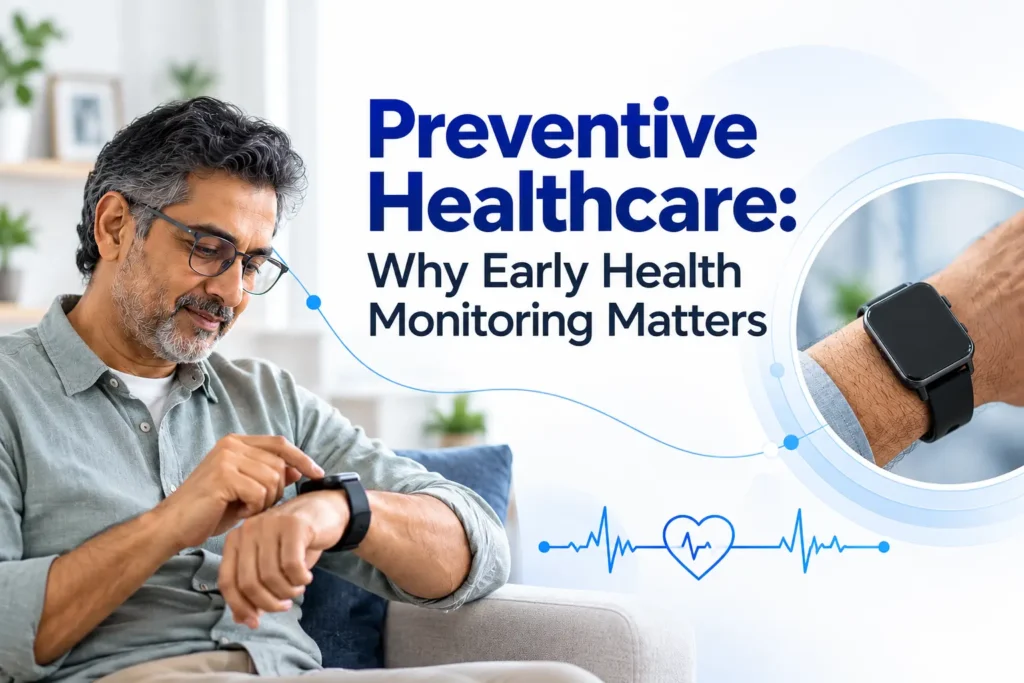
Preventive healthcare offers a different approach. Rather than waiting for symptoms to appear, it encourages people to understand their health risks early and take appropriate action.
“I’m perfectly fine.”
Three reassuring words that millions of people say every day. Sometimes, they are true. Other times, they reflect how we feel rather than what is happening inside our bodies.
Consider someone in their early forties. They have a demanding career, family responsibilities, and an unpredictable routine. Occasional fatigue feels normal, while an unusually fast heartbeat is dismissed as stress.
Months later, a routine examination reveals elevated blood pressure.
According to the Centers for Disease Control and Prevention (CDC), high blood pressure usually develops without noticeable symptoms, making regular measurement essential.
The concern is widespread. CDC estimates indicate that approximately 48.1% of American adults have high blood pressure, yet only around 22.5% of affected adults have it under control.
Feeling healthy is reassuring. But understanding your health indicators provides something more valuable: an opportunity to recognise potential risks.
Cardiovascular diseases remain one of the world’s most significant health challenges.
According to the World Health Organization (WHO), cardiovascular diseases caused approximately 19.8 million deaths in 2022, accounting for nearly 32% of global deaths. Around 85% were attributed to heart attacks and strokes.
Diabetes presents another growing concern.
WHO estimates that approximately 830 million people were living with diabetes in 2022, compared with around 200 million in 1990. Uncontrolled diabetes can increase the risk of cardiovascular disease, kidney damage, and other complications.
These numbers highlight why identifying risk factors matters.
Elevated blood pressure, abnormal glucose levels, high cholesterol, and certain cardiac abnormalities can be investigated through appropriate medical assessments.
For people with hypertension, diabetes, existing cardiac conditions, or a family history of heart disease, Heart Health Monitoring can provide additional information to support medical care.
The objective is not to predict every emergency. It is to recognise health concerns before they develop into more serious complications.
Many people assume that regular health checkups and health monitoring serve the same purpose. While connected, they provide different types of information.
Routine health checkups and screening help identify established risk factors and health conditions. Depending on medical history and individual risk, doctors may recommend blood pressure assessments, cholesterol tests, glucose investigations, or cardiac examinations.
Home health monitoring involves measuring selected indicators at regular intervals. Someone managing hypertension may record blood pressure readings at home, while a person with diabetes may monitor glucose according to their treatment plan.
Continuous health monitoring uses appropriate wearable or connected medical devices to collect specific physiological information over extended periods.
For example, ambulatory ECG monitoring may help identify intermittent heart rhythm abnormalities, while continuous glucose monitoring can reveal fluctuations throughout the day and night.
The distinction is important.
Routine screening helps identify established risk factors and health conditions. Home measurements and continuous monitoring provide additional information when clinically appropriate, particularly when indicators fluctuate, or symptoms occur intermittently.
However, monitoring should always complement medical examinations and recommended screening, not replace them.
Think about the last time you visited a doctor.
Your blood pressure was measured. Your pulse was checked. Perhaps an ECG was performed, and everything appeared normal.
But what happens between medical appointments?
Blood pressure changes with physical activity, stress, and sleep. Heart rate responds to exertion and emotional states. Some irregular heart rhythms occur only occasionally.
A single clinical reading may not capture these variations.
Someone might have normal blood pressure during an appointment but experience elevated readings at home. Another person may experience palpitations that disappear before a scheduled ECG.
This is where Preventive Heart Health Monitoring can provide additional insights.
Clinically appropriate monitoring allows healthcare professionals to examine relevant patterns over time rather than relying exclusively on isolated observations.
However, more readings do not automatically mean better healthcare. Their value comes from professional interpretation alongside symptoms, medical history, and clinical examinations.
For someone managing a chronic illness, healthcare continues long after leaving the doctor’s clinic.
Consider an older adult living with hypertension and diabetes.
These observations help healthcare professionals make informed decisions. They should never be used to independently change prescribed treatment.