High blood pressure can be easy to overlook. Someone may feel fine, go about their usual day and have no reason to suspect anything is wrong. But feeling well does not necessarily mean their blood pressure is under control.
The concern is what happens when blood pressure stays high over a long period. The heart has to work harder to pump blood, and the extra strain can damage blood vessels. Over time, uncontrolled hypertension can increase the risk of heart disease, heart attack and heart failure.
Managing blood pressure, therefore, involves more than checking it once in a while. Regular measurements, medical advice and a record of health changes all have a role to play. Remote health monitoring can add another layer of support by making health readings available for review between doctor visits.
Hypertension often develops without noticeable symptoms. People may not realise their blood pressure is high unless they get it checked.
The World Health Organization explains that uncontrolled hypertension can damage the heart and blood vessels over time. It can also increase the risk of stroke and kidney disease.
Regular blood pressure checks help people understand whether their readings are within the range recommended by their doctor. Keeping a record over time can also help a doctor assess how well the condition is being managed and whether further review is needed.
The difficulty is staying consistent. Some people forget to take readings, while others check their blood pressure only when they feel unwell. Since hypertension can have no obvious symptoms, waiting until something feels wrong is not a reliable way to manage it.
Monitoring blood pressure is only one part of managing hypertension. Daily habits also matter. Eating less salt, staying physically active, limiting alcohol and avoiding tobacco can help support healthier blood pressure levels. Getting enough sleep and finding ways to manage stress are important too.
Taking prescribed medication as advised is equally important, even when readings improve or there are no obvious symptoms. High blood pressure may not cause discomfort, so feeling well is not a reason to stop treatment.
It also helps to keep a record of blood pressure readings and take it to medical appointments. If readings are repeatedly higher than the range recommended by a doctor, the person should discuss them with their healthcare professional rather than making changes to medication on their own.
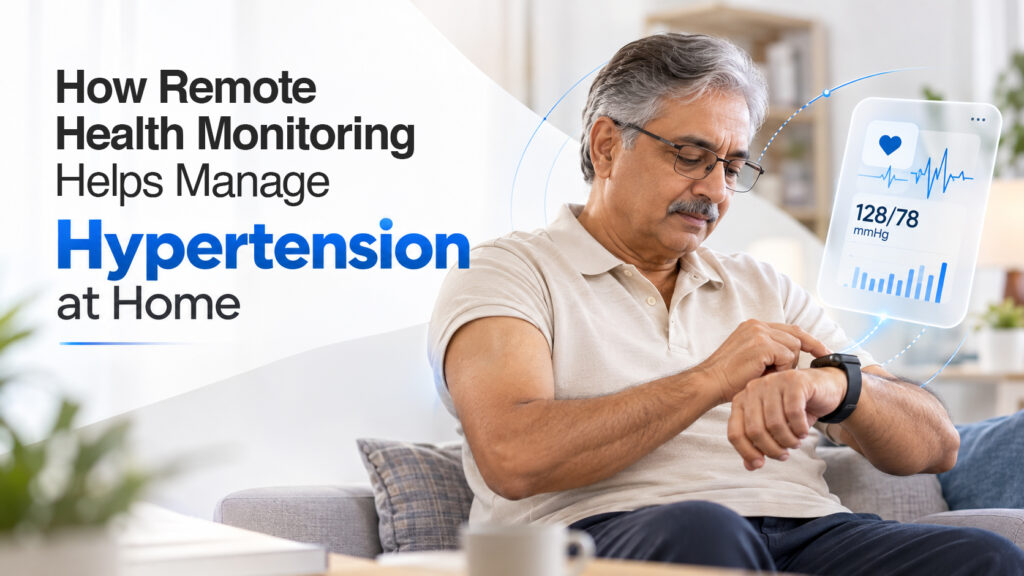
A home blood pressure monitor allows people to take readings without visiting a clinic every time. Following a regular schedule and recording the results can help build a useful picture for the next medical consultation.
For people who need closer monitoring, connected health technology can make it easier to keep track of blood pressure and other relevant health readings at home. iLive Connect uses FDA- and CE-approved biosensors that integrate readings from a BP monitor, supporting remote health monitoring and making health information available for review by its clinical team.
Looking at readings over time can help people and their doctors understand changes in their health between appointments. The aim is not to make people interpret every reading themselves, but to make relevant information available for clinical review.
Blood pressure and heart health are closely connected. When pressure in the blood vessels stays high, the heart has to work harder to move blood around the body. Over time, this extra workload can affect the heart and increase the risk of cardiovascular problems.
Regular blood pressure checks remain important, but a person’s wider health may also need attention. Depending on their medical history, doctors may consider other readings when reviewing their condition.
iLive Connect’s FDA- and CE-approved biosensors support remote health monitoring of relevant health parameters, while its AI-assisted system can flag unusual patterns for review by doctors at its 24×7 Clinical Command Centre. This brings technology and clinical oversight together, helping the team review available health information between consultations.
An unusual reading does not automatically mean there is a serious problem. The clinical team considers the available information before deciding whether follow-up may be needed. Regular Heart Health Monitoring at home does not replace regular blood pressure checks, medical consultations or prescribed treatment.
Small changes to your daily routine can make blood pressure management easier. Here are a few things to keep in mind.
Blood pressure readings can vary, but repeated high readings should not be ignored. If home measurements are often above the range recommended by a doctor, it is worth discussing them rather than waiting for the next routine appointment.
It can help to keep a record of the readings, including when they were taken and whether anything unusual was happening at the time. This gives the doctor more information when reviewing the person’s blood pressure and current treatment plan.
Do not change the dose of prescribed medication or stop taking it without medical advice. If a reading is very high, repeat it after a short rest and follow the advice given by your healthcare professional. If the reading is around 180/120 mmHg or higher and there is chest pain, difficulty breathing, sudden weakness or a change in vision, seek emergency medical care immediately.
Some people managing high blood pressure also live with diabetes. In these cases, keeping track of glucose levels is another important part of their overall health management.
Continuous Glucose Monitoring (CGM) tracks glucose levels over time. For people living with diabetes, it can show patterns such as recurring rises or changes throughout the day that occasional checks may not capture. This information can help them and their healthcare team discuss how well their diabetes management plan is working.
CGM does not measure blood pressure or monitor hypertension directly. It serves a different purpose, but it can be relevant when a person needs to manage both conditions.
iLive Connect offers CGM as part of its remote monitoring options. For someone managing diabetes as well as hypertension, glucose trends can provide another source of information for discussion with their healthcare professional. Decisions about medication or changes to a care plan should still be made with the treating doctor.
Managing hypertension takes place over time, not just during a doctor’s appointment. Taking prescribed medication, following medical advice, attending follow-up visits and checking blood pressure regularly remain central to care.
iLive Connect brings FDA- and CE-approved biosensors, AI-assisted pattern detection and doctor-led review together through its 24×7 Clinical Command Centre. Its remote Health monitoring service helps make relevant health readings available for clinical review, while its CGM option can support people who also need to track glucose levels.
For someone living with hypertension, this can form part of a wider approach to keeping track of their health. Regular blood pressure checks remain essential, while remote monitoring can help provide additional information between appointments. For someone also managing diabetes, CGM can help track glucose patterns as part of their overall care.
The aim is to make relevant health information easier to access and review between appointments. Remote monitoring does not replace blood pressure checks, prescribed treatment or medical consultations. Used alongside these, it can support a more informed approach to managing hypertension at home.